February 11, 2026
Selecting the right drainage system for your home is about more than simply directing rainwater away from the roof. Climate plays a major role in determining which materials, styles, and installation methods will provide reliable protection. Homes exposed to heavy rainfall, freezing temperatures, extreme heat, or high winds each require specific design considerations. Choosing the wrong system can lead to premature wear, water damage, and costly repairs.
Homeowners often overlook how environmental conditions influence performance. By understanding how regional weather patterns affect durability and efficiency, property owners can make smarter decisions that protect structural integrity. Whether dealing with frequent storms or dry desert climates, properly selected gutters help preserve foundations, siding, and landscaping while minimizing maintenance demands.
How Climate Influences Gutter Material Performance
Climate zones vary significantly in moisture levels, temperature fluctuations, and exposure to environmental stressors. These differences directly affect the materials commonly used in gutters and how long they remain functional. Areas that experience high rainfall require materials that resist corrosion and manage large volumes of water efficiently. Conversely, regions with extreme temperature changes must account for expansion and contraction that can weaken joints and fasteners.
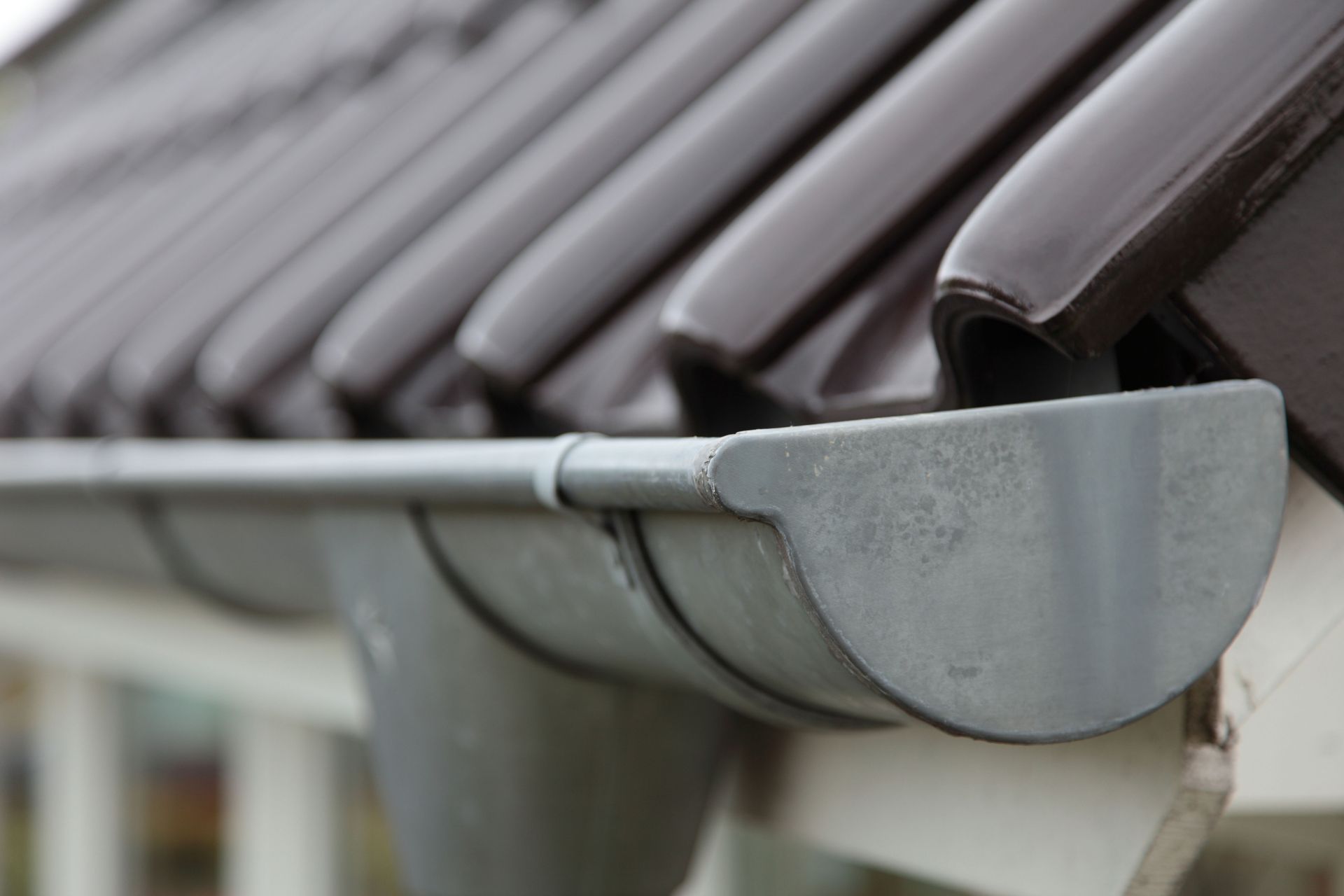
Metal options such as aluminum and copper are often chosen for their strength and durability across various climates. Aluminum offers resistance to rust and is lightweight, making it easier to install and maintain. Copper, although more expensive, provides exceptional longevity and develops a protective patina that helps prevent corrosion over time. Vinyl alternatives, while cost-effective, may become brittle in cold climates or warp when exposed to intense heat.
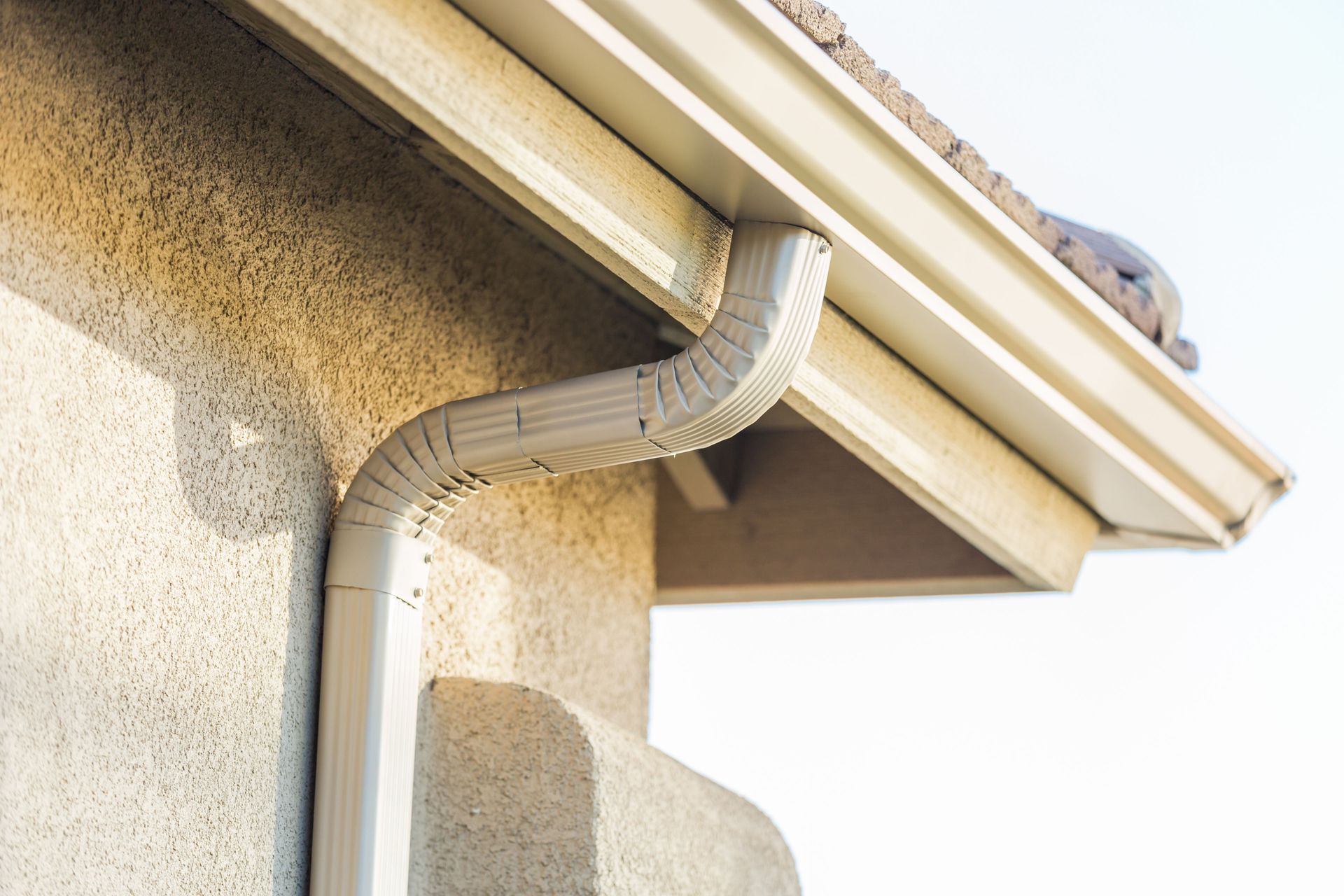
Installation also plays a critical role in long-term performance. Proper alignment ensures effective water flow and prevents standing moisture that can cause deterioration. According to This Old House, gutters require a slight slope—roughly one-quarter inch for every 10 feet of run—to maintain efficient drainage and prevent pooling that can lead to damage. This design consideration becomes even more important in climates that experience heavy precipitation or snow accumulation.
How Wet Climates Demand Moisture-Resistant Materials
Regions with consistent rainfall or snowfall place unique demands on drainage systems. Materials must resist rust, withstand freeze-thaw cycles, and handle large water volumes without sagging or leaking. Aluminum is frequently recommended for wet environments because it resists corrosion and performs reliably under constant moisture exposure. Its lightweight properties also reduce strain on mounting hardware during heavy rainstorms.
Copper offers superior durability and can last decades with minimal deterioration. It performs exceptionally well in snowy climates because it withstands ice formation and resists cracking. While it requires a higher initial investment, many homeowners appreciate its longevity and visual appeal.
PVC and vinyl systems provide a budget-friendly alternative, though they may require more frequent inspections. In areas with heavy snow or freezing rain, these materials can become brittle and prone to cracking. Regular maintenance becomes essential to ensure water flows freely and does not accumulate within gutters, which can increase the risk of structural damage.
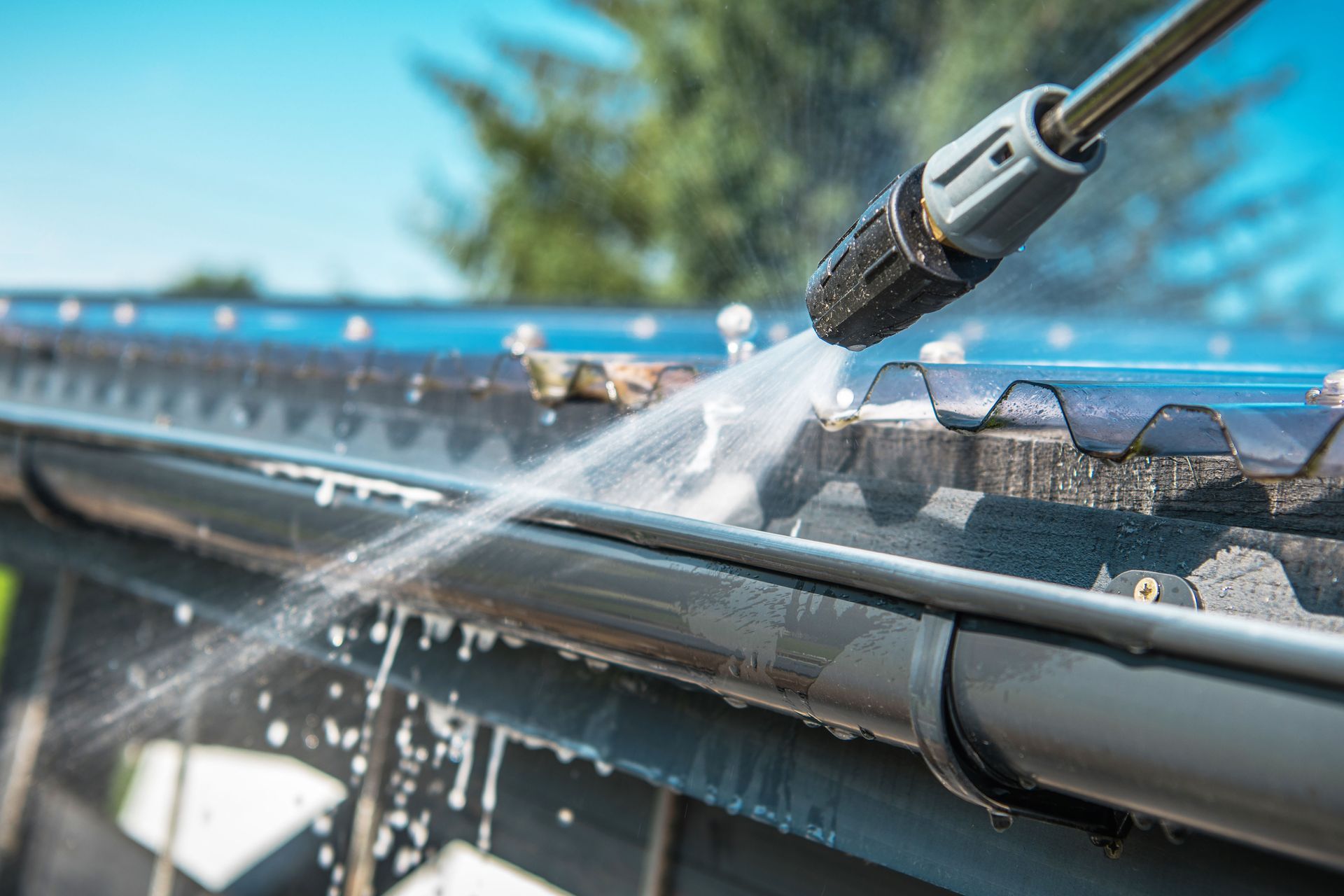
Leaf buildup is another common concern in wet climates, particularly in regions with dense tree coverage. Installing protective guards can help maintain consistent water flow and reduce cleaning frequency. Ensuring seamless connections also minimizes leaks and helps drainage systems operate efficiently during prolonged storms.
How Extreme Heat Challenges Gutter Stability
High temperatures create a different set of challenges for residential drainage systems. Materials exposed to prolonged heat may expand, warp, or weaken, compromising their ability to function effectively. In regions with intense sun exposure, choosing materials that tolerate thermal expansion is essential for long-term reliability. Without proper planning, repeated expansion and contraction cycles can loosen connections and increase the likelihood of leaks over time.
Aluminum remains a popular choice in hot climates because it resists heat-related warping better than many plastic alternatives. However, it must be properly secured to allow for natural expansion without loosening fasteners. Steel options offer additional strength but may require protective coatings to prevent rust, especially in areas with occasional rain or humidity. Regular inspections can help identify early signs of stress or separation before more serious structural issues develop.
Vinyl products are more susceptible to heat damage. Extended exposure to sunlight can cause discoloration, brittleness, and separation at joints. Homeowners living in extremely hot environments often prefer metal options that maintain structural integrity under fluctuating temperatures. While vinyl may offer lower upfront costs, frequent replacement or repair needs can offset those initial savings in high-heat regions.
Color selection also influences performance in warm climates. Lighter finishes reflect sunlight and reduce heat absorption, helping maintain material stability. Adequate ventilation around rooflines further supports system durability by minimizing heat buildup near gutters. Strategic placement of shade elements, such as roof overhangs or landscaping, can also help reduce prolonged sun exposure and extend the lifespan of the drainage system.
How Wind-Prone Regions Require Reinforced Installations
Homes located in areas with frequent high winds face additional challenges related to drainage system stability. Strong gusts can loosen fasteners, bend materials, and cause sections to detach from the roofline. Selecting durable materials and ensuring secure installation methods are essential for preventing damage.
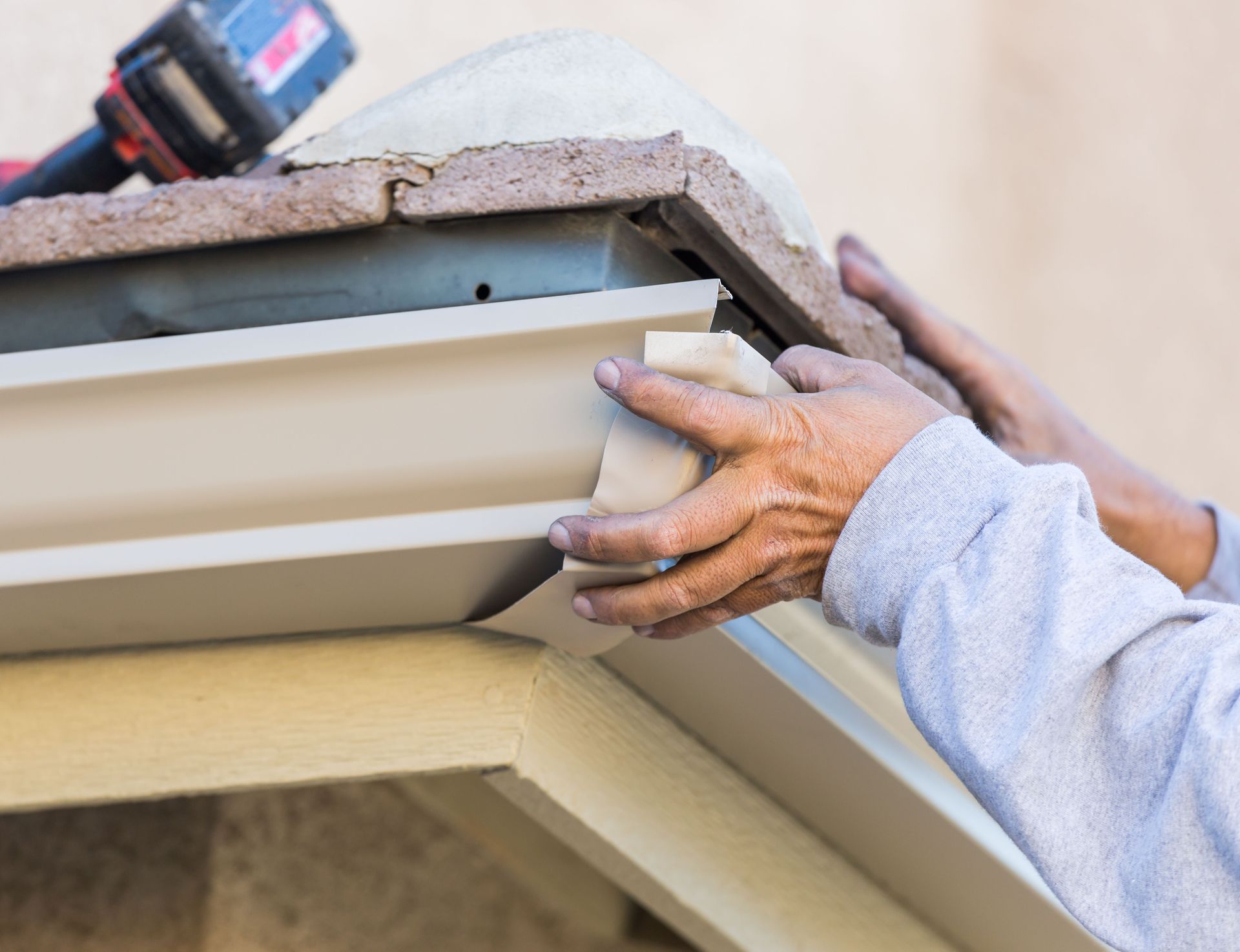
Steel and copper are often recommended for windy regions because they offer superior strength and resistance to deformation. These materials maintain their shape during severe storms and provide reliable performance over time. Reinforced brackets and closely spaced hangers add additional support, reducing the risk of sagging or detachment.
Seamless designs can also improve durability by minimizing weak points where sections connect. Fewer joints reduce opportunities for wind to lift or separate components. Properly installed gutters remain firmly attached even during severe weather events, protecting both the home’s exterior and surrounding landscape from water damage.
Regular inspections are particularly important in wind-prone areas. Checking for loose fasteners, cracks, or alignment issues helps prevent small problems from escalating into larger repairs. Ensuring that debris is cleared away also reduces weight strain during storms.
How Desert Climates Influence Gutter Selection
Arid regions present unique challenges that differ from both wet and windy environments. Although rainfall may be infrequent, storms that do occur often produce sudden and intense downpours. Systems must be capable of quickly channeling water away from the home without deterioration caused by heat and dust exposure.
Aluminum and steel remain strong choices in desert climates due to their resistance to extreme temperatures and structural durability. These materials withstand prolonged sun exposure while maintaining consistent performance during rare but heavy rain events. Powder-coated finishes can provide additional protection against corrosion and fading.
Vinyl alternatives may be less effective in desert regions due to their vulnerability to UV damage. Constant exposure to sunlight can cause cracking and color fading, reducing overall lifespan. Choosing materials specifically designed to withstand ultraviolet radiation helps ensure long-term functionality.
Dust accumulation is another consideration in dry climates. Debris can settle within gutters and obstruct water flow when rain occurs. Installing protective covers and scheduling routine cleaning helps maintain efficiency and prevents overflow that could damage foundations or landscaping.
Homeowners in desert regions often prioritize durability and low maintenance. Selecting high-quality materials reduces repair frequency and ensures drainage systems remain effective despite extreme environmental conditions.
Climate plays a decisive role in determining the most suitable drainage solution for any home. Moisture levels, temperature extremes, wind exposure, and sunlight intensity each influence material durability and performance. By selecting
gutters designed to withstand regional weather conditions, homeowners can protect their properties from water damage and structural deterioration. Investing in climate-appropriate systems ensures reliable performance, reduces maintenance demands, and supports long-term home preservation. If you're looking for gutters, reach out to 4 Seasons Seamless Gutter Services today!